PISTON PUMPS
Piston Pumps
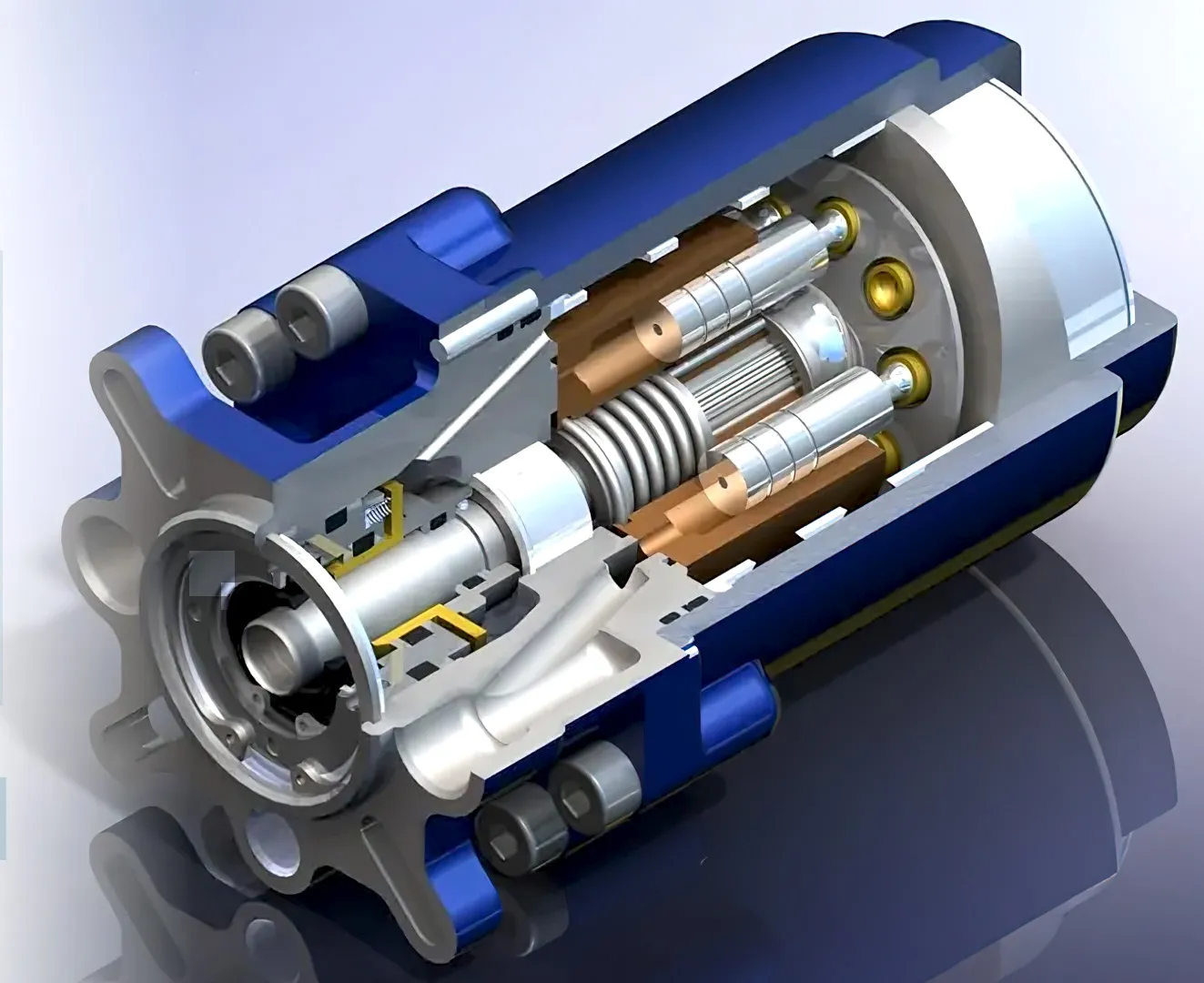
Piston pumps are structurally similar to automotive engines. A single-cylinder piston pump only delivers one fluid pulse per revolution, which can cause large pressure spikes in the system. To address this issue, piston pumps in practical applications typically use multiple cylinders and pistons to smooth out the fluid delivery, thus reducing pressure pulses. Designing a compact multi-cylinder pump requires high precision engineering.
A common design for piston pumps is the radial piston pump. This pump consists of multiple hollow pistons arranged in a fixed cylinder body. Each piston is equipped with a spring-loaded intake and discharge valve. As the internal cam rotates, the fluid is smoothly delivered from the intake to the discharge port. This design is simpler, more reliable, and more economical compared to traditional pumps.

Piston Pump Suppliers
Shop
Axial Piston Pumps
Another form of piston pump is the axial piston pump, where pistons are arranged in a rotating cylinder and driven by a fixed inclined plate (commonly called a swash plate). Each piston maintains contact with the swash plate through a spring or a rotating slipper. By adjusting the angle of the swash plate, the pump’s displacement can be controlled; the greater the angle, the larger the displacement. When the angle of the swash plate is zero, the displacement is zero, and it can even reverse the direction of the fluid flow. The angle of the swash plate can be remotely controlled by installing an independent hydraulic cylinder, which allows easy adjustment of the pump’s displacement.
Another design for axial piston pumps uses a bent-shaft mechanism. The stroke of the pistons is controlled by the angle between the drive shaft and the rotating cylinder, with the pump displacement adjustable by changing the drive shaft’s angle.
Piston Pumps for Sale
-
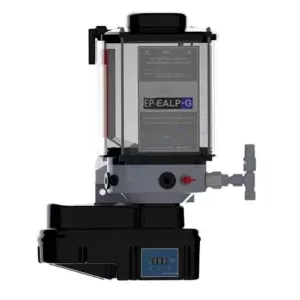
EP-EALP-G Series Grease Electric Drive Piston Pumps Lubrication Pump for CAT 329D Replacement of BEKA EP/EP-1
-
EP-EALP-G Series Grease Electric Drive Piston Pumps Lubrication Pump for CAT Bagger M318 Replacement of BEKA EP/EP-1
-
EP-EALP-G Series Grease Electric Drive Piston Pumps Lubrication Pump for KUHN BALER Replacement of BEKA EP/EP-1
-
EP-EALP-G Series Grease Electric Drive Piston Pumps Lubrication Pump for LiuGong QUY160 Replacement of BEKA EP/EP-1
-
EP-EALP-G Series Grease Electric Drive Piston Pumps Lubrication Pump for MOBA PAVER Replacement of BEKA EP/EP-1
-
EP-EALP-G Series Grease Electric Drive Piston Pumps Lubrication Pump for XCMG Excavating Machinery Replacement of BEKA EP/EP-1
Performance and Applications
Piston pumps have extremely high volumetric efficiency, typically over 98%, and can operate at very high hydraulic pressures. However, these pumps tend to be larger and noisier. Compared to vane pumps and gear pumps, piston pumps have a more complex structure, are more expensive, and require higher technical expertise for maintenance. Below is a performance comparison of various types of hydraulic pumps:
| Type | Maximum Pressure (bar) | Maximum Flow Rate (L/min) | Variable Displacement | Positive Displacement |
|---|---|---|---|---|
| Centrifugal | 20 | 3000 | No | No |
| Gear Pump | 200 | 375 | No | Yes |
| Vane Pump | 200 | 400 | Yes | Yes |
| Axial Piston (Swash Plate) | 350 | 750 | Yes | Yes |
| Axial Piston (with Valve) | 500 | 1500 | Yes | Yes |
| Inline Piston | 1000 | 100 | Yes | Yes |
Applications of Piston Pumps
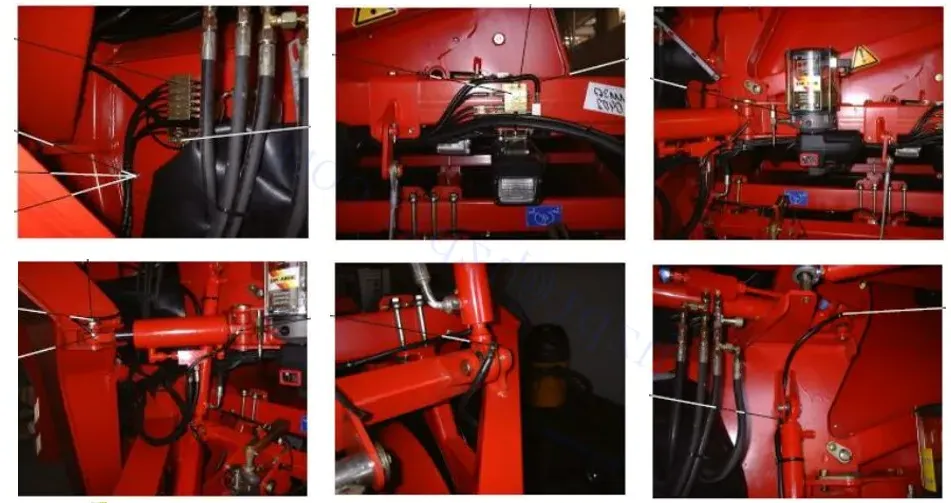
Piston pumps are widely used across various industrial systems due to their compact design, excellent wear resistance, and stable pressure output. Below are some typical application scenarios where piston pumps are essential.
In lubrication systems, piston pumps play a critical role in delivering lubricating oil to key friction points within machinery. By ensuring a precise and stable oil supply, piston pumps help reduce wear and tear, leading to longer equipment lifespans. With their low pulsation characteristics, piston pumps minimize vibration and noise in the system, improving overall operational efficiency.
In hydraulic systems, piston pumps are the preferred choice for their high pressure capacity and high-flow adaptability. Whether it’s driving cylinders for extension/retraction or powering machinery such as molding presses and extrusion equipment, piston pumps provide reliable and consistent pressure. Optimizing materials for the pump body and piston sliders significantly enhances the pump’s lifespan while extending maintenance intervals.
Piston pumps also excel in fluid and process media transfer applications. With their excellent sealing performance, piston pumps can handle various media, including coolants, lubricants, and chemicals, making them increasingly popular in industries such as food machinery, printing, and injection molding. The stable continuous operation and low maintenance needs of piston pumps reduce downtime risks, improving overall system uptime and efficiency.
In heavy industries like petrochemical, mining, and metallurgy, where operational environments are harsh and equipment reliability is paramount, piston pumps stand out. Their resistance to particle contamination and the ability to withstand high temperatures, pressures, and corrosive environments make them ideal. When properly matched to the system’s specifications, piston pumps can deliver optimal performance, reducing energy consumption and lowering operating costs.
In summary, piston pumps are essential components for fluid power systems, offering reliable performance in lubrication, hydraulic, fluid transfer, and heavy industry applications. Whether you need a pump with low pulsation, high pressure, or one that can withstand extreme conditions, we can recommend the right solution for your needs. Feel free to contact us for more details on how piston pumps can improve your system’s performance.